TraceEkee - COVID Contact Tracing System (Pro Bono)
Comprehensive COVID-19 contact tracing ecosystem developed pro bono for the Maldives Health Protection Agency, based on Singapore's OpenTrace system

Technologies Used
Project Tags
Project Gallery
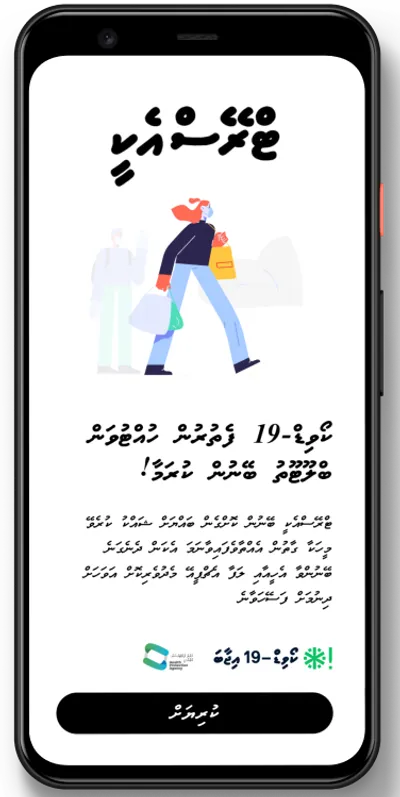
TraceEkee was a comprehensive COVID-19 contact tracing ecosystem developed pro bono during the pandemic to support the Maldives’ public health response. Built in collaboration with the Health Protection Agency (HPA) and other institutes, the system adapted Singapore’s OpenTrace framework for the local context, making Maldives one of the first countries globally to launch a digital contact tracing system.
Project Overview
Launched on April 29, 2020, TraceEkee represented a critical public health intervention during the early months of the COVID-19 pandemic. The system provided a dual-pronged approach to contact tracing, combining automated Bluetooth proximity detection with manual QR code-based check-ins.
System Architecture
Mobile Applications (iOS & Android)
- Native development using Swift (iOS) and Java/Kotlin (Android)
- Bluetooth proximity detection based on Singapore’s OpenTrace
- Firebase backend for real-time data synchronization
- Multi-language support: Dhivehi, English, and Bengali
Dual Tracing Approach
- TraceEkee: Automated Bluetooth proximity detection with encrypted local storage
- Kontact: Manual QR code-based check-ins for venues and events
- Anonymous user interactions with rotating IDs
- User-controlled data sharing with HPA consent
Key Innovation
Hybrid Tracing Strategy
The project’s unique dual-app approach combined:
- Passive monitoring: Continuous Bluetooth proximity detection
- Active logging: QR code scanning for specific interactions
- Comprehensive coverage: Both broad population monitoring and precise venue tracking
Privacy-First Design
- Encrypted data storage on user devices
- Explicit user consent required for data sharing with HPA
- Anonymous interactions between users
- No automatic location tracking or personal data collection
Technical Implementation
Cross-Platform Development
- iOS: Native Swift development with OpenTrace integration
- Android: Java/Kotlin with native UI components
- Firebase: Real-time database and cloud functions
- Bluetooth Low Energy (BLE) for proximity detection
- Multi-language localization support
Impact & Community Response
Global Pioneer
- Maldives became one of the first countries globally to launch a digital contact tracing system
- Enabled rapid identification of COVID-19 close contacts
- Supported HPA’s contact tracing efforts during critical early pandemic period
- Demonstrated small nation agility in pandemic technology response
Pro Bono Contribution
- Developed entirely without compensation as public service
- Demonstrated local tech community’s commitment to pandemic response
- Collaborative effort between private developers and government health authorities
- Rapid deployment to meet urgent public health needs
Challenges & Adaptation
Localization
- Translated to three languages: Dhivehi, English, and Bengali
- Cultural adaptation for Maldivian context
- Integration with local health authority workflows
- Community education and adoption campaigns
Privacy & Trust
- Balanced contact tracing effectiveness with privacy protection
- Built user trust through transparent data handling
- Implemented consent-based data sharing model
- Maintained anonymity while enabling effective tracing
Legacy
TraceEkee demonstrated the potential for rapid, collaborative technology deployment during public health emergencies. The project showcased how private sector expertise could be mobilized for public good, establishing precedents for future government-private partnerships in crisis response.
The system’s privacy-conscious design and hybrid tracing approach influenced subsequent contact tracing implementations globally, proving that effective public health technology could be built without compromising user privacy.